The Origins of Virtual Celebrations

The inception of virtual celebrations was inaugurated as nearly an overflow due to the fact that capability of reach had been so limited. Concerts streamed live, with online broadcasting for the parades and event webcams, finally allowed viewership to festivities for people who chose not to be physically engaged. These pioneering early efforts, although simple, were clear winners, for it was unequivocal proof that digital technologies had the ability to connect communities separated by vast distances.
The early virtual celebrations were often about major events such as Canada Day, Victoria Day, and New Year's Eve. The first of its kind to share culture with all Canadians in out of the way places and limited mobility. The success of those ventures has provided a groundwork with which today's more sophisticated and nuanced virtual experiences stand.
Overcoming Geographic Challenges
Canada’s vast landscape makes it difficult for everyone to access large-scale celebrations. Virtual platforms bridged this gap, allowing rural, northern, and remote communities to participate alongside urban audiences. Even before the widespread adoption of high-speed internet, organizers experimented with video streaming, downloadable media, and simple digital interactions to expand reach.
These early efforts demonstrated that distance need not hinder cultural engagement. By offering remote access to traditional celebrations, virtual formats reinforced national identity and strengthened community ties across the country.
Early Examples in Canadian Culture
Initial virtual celebrations included live-streamed Canada Day concerts, city parades filmed and broadcast online, and educational programs offered by museums and cultural institutions. While technology was limited, audiences quickly recognized the potential of these platforms for expanding access.
Cultural festivals, local community events, and seasonal fairs began incorporating online elements as well, allowing viewers to follow ceremonies, performances, and interactive programming in real time. These small-scale initiatives set the stage for more immersive and participatory virtual experiences.
Growth and Expansion of Virtual Events
As technology advanced, virtual celebrations became more sophisticated. High-definition streaming, interactive chat functions, and integrated multimedia experiences allowed participants to engage more actively with events. Social media platforms, mobile applications, and dedicated event websites created spaces for real-time interaction and content sharing.
Virtual Festivals and Cultural Programming
Cultural institutions, arts organizations, and local community associations have increasingly shown interest in the virtual so as to reach bigger populations, especially in support of their programming. Music festivals, art exhibitions, and heritage celebrations started to be available to audiences through performances, live broadcasts, tours, and residences; thus far, they have become examples of national endeavors. These processes opened possibilities for the inclusion of anybody who, for one reason or another, would be unable to attend fairs or festivals for lack of a ride, the fare, or a minimal display: image; this text leads to new interpretations and changing circumstances within cultural expression.
Despite the few gripes voiced about the slackened participating capacities, innovative formats continue to feature at these events. Multicamera broadcasts, edited material, and polls involving viewers in decision-making which look more than willing to attend by participation create new avenues. These have enhanced interactions and feel of fellow-feeling during events remotely attended."
Online Education and Community Engagement
Virtual experiences are not limited to entertainment. Many online events include educational components, such as live lectures, workshops, and tutorials connected to cultural celebrations. Museums, libraries, and community centers leveraged digital platforms to expand programming, connecting Canadians to their history, arts, and heritage.
This educational focus ensures that virtual events serve multiple purposes: fostering cultural appreciation, encouraging participation, and preserving traditions for future generations. By combining learning and celebration, digital events create lasting impact beyond the immediate festivities.
Technology That Enables Participation
The success of virtual experiences depends on the accessibility and reliability of technology. Streaming platforms, interactive applications, and social media tools provide the backbone of digital celebrations, enabling Canadians to participate in ways that suit their needs and preferences.
Live Streaming Platforms
Live streaming is the most widely used tool for virtual celebrations. It allows participants to watch events in real time, interact through chat features, and share experiences with friends and family. Streaming has become increasingly sophisticated, supporting multiple camera angles, simultaneous broadcasts across platforms, and accessibility features like closed captions and sign language interpretation.
Live streams create a shared temporal experience, allowing participants to enjoy celebrations simultaneously despite physical separation. This simultaneity preserves the collective spirit that is central to cultural events.
Interactive Features and Participation
Virtual experiences go beyond passive viewership, often featuring interactive components like polls, quizes, virtual scavenger hunts, and Q and A sessions, which tend to promote active involvement of the attendees, turning them into participants and not mere spectators.
Interactive elements enable organizers to gather instant feedback and modify programming on the fly, enhancing engagement and tailoring the event to the audience. The outcome is a festival where all ages, all backgrounds even, find participation more engaging, fulfilling and whole.
Social Media and Community Connectivity
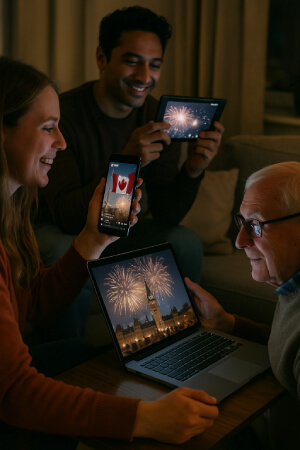
Social media plays a critical role in virtual celebrations, amplifying participation and fostering community engagement. Platforms like Facebook, Instagram, TikTok, and Twitter allow participants to share experiences, post content, and interact with event organizers and fellow attendees.
Sharing Moments and Creating Memories
Participants capture images, videos, and live reactions to extend the celebration beyond the formal event. Hashtags, user-generated content, and shared media create a collective narrative that transforms individual experiences into community memory.
Social media also enables communities to celebrate together even when physically separated. Virtual comments, live reactions, and interactive discussions mimic the communal aspects of in-person gatherings, preserving a sense of connection and shared experience.
Engagement Across Generations
Digital platforms allow multiple generations to participate in celebrations simultaneously. Families can watch events together from home, grandparents can engage in online tours, and younger participants can interact through chat and interactive features. This multi-generational engagement strengthens cultural continuity while promoting inclusivity and accessibility.
Accessibility and Inclusivity in Virtual Events
Virtual experiences have a profound impact on accessibility, allowing Canadians of all abilities and backgrounds to join celebrations. Features like screen readers, captioning, language options, and adjustable viewing formats ensure that digital events accommodate a wide range of needs.
Reaching Remote and Marginalized Communities
Remote and marginalized communities benefit greatly from virtual access. Individuals living far from urban centers or those with mobility or health limitations can experience national and local celebrations on equal footing with urban participants.
By removing physical barriers, virtual experiences expand participation, ensuring that cultural moments are shared widely. Communities that might previously have been excluded can now engage fully, reinforcing inclusivity and broadening the scope of cultural celebration.
Cultural Representation and Inclusion
Virtual events normally display a variety of cultural traditions such as Indigenous ceremonies, immigrant festivals, and regional celebrations. This representation promotes understanding, appreciation, and respect towards the community, thereby preserving the cultural heritage.
The digital stage provides cultural organizations with the means to reach new audiences for storytelling and involve participants interactively in shaping identity and collective memory.
Hybrid Models: Combining Physical and Digital Experiences
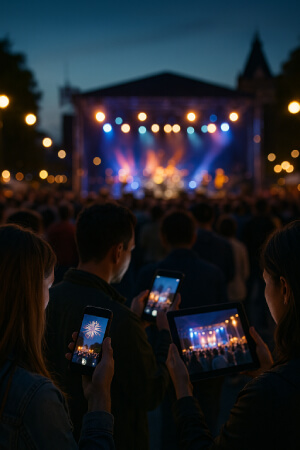
Many events now adopt hybrid models, blending in-person and online participation. Hybrid approaches maintain the excitement of live attendance while offering virtual access to those who cannot attend physically.
Benefits of Hybrid Celebrations
Hybrid events increase reach, engagement, and accessibility. Audiences can choose how to participate, tailoring their experience to comfort, availability, or preference. Organizers can leverage analytics from digital engagement to improve future programming and understand audience needs.
Hybrid models also allow communities to experiment with interactive features, multi-platform broadcasting, and immersive content that complements the physical event. The combination strengthens both in-person and virtual experiences.
Case Studies in Canada
Major Canadian festivals, cultural events, and civic celebrations increasingly incorporate hybrid approaches. Live-streamed concerts, virtual art exhibits, and digital workshops allow residents nationwide to join key moments. Even local fairs and community gatherings have experimented with online access, demonstrating the flexibility and scalability of hybrid models.
The Role of Technology in Shaping Traditions
Virtual experiences are not just a temporary substitute for in-person events, they are reshaping cultural traditions themselves. Online platforms allow new forms of engagement, participation, and storytelling that influence how Canadians celebrate holidays and community events.
Creating Shared Digital Traditions
Digital celebrations enable new traditions, such as coordinated online countdowns, virtual group performances, and collaborative digital art projects. These innovations complement long-standing customs while creating experiences unique to the digital age.
Participants develop shared rituals that exist simultaneously online and offline, contributing to evolving cultural practices that are inclusive, flexible, and widely accessible.
Preserving History and Culture
Virtual platforms also serve as archives, preserving cultural programming, historical celebrations, and community events for future generations. Recorded performances, digital exhibits, and interactive educational content create lasting resources that can be revisited, studied, and enjoyed over time.
This preservation ensures that traditions continue even as technology and participation habits evolve, maintaining continuity and cultural relevance.
Challenges and Considerations
While virtual experiences offer significant benefits, they also present challenges. Technical limitations, unequal access to high-speed internet, and varying levels of digital literacy can affect participation. Organizers must consider accessibility, platform usability, and audience diversity when planning digital events.
Balancing interactivity, engagement, and inclusivity requires careful planning. Ensuring that events are meaningful, culturally sensitive, and technically reliable is essential for fostering trust and encouraging continued participation.
The Future of Virtual Celebrations
Virtual experiences are likely to continue growing in scope, sophistication, and accessibility. Advances in streaming, augmented reality, virtual reality, and hybrid platforms will expand possibilities for immersive, participatory celebrations.
Communities may increasingly integrate digital experiences with traditional celebrations, creating events that are flexible, inclusive, and capable of engaging audiences both locally and nationally. Technology will continue to shape not only how Canadians celebrate but also how traditions are preserved, adapted, and shared across generations.
Virtual Experiences as a Cultural Bridge
The digital transformation in Canadian celebrations is facilitating events that are more accessible, inclusive, interactive, and never-ending. Reaching across geographic, social, and cultural divides enables festivals, cultural activities, and national events to be enjoyed and facilitated by Canadians, no matter their whereabouts.
Technological advances are pushing virtual and hybrid celebrations to coexist with traditional gatherings for cultural heritage to stay alive and become ever more relevant. Immersive experiences nurture ties, safeguard historical memory, and build shared moments that belong to one and all. Members of the Canadian family are jointly, and meaningfully, learning to party in a new way.
Learn More
At the Canadian National Fireworks Association, integrity and safety come first. 🍁🎆
— CNFA: Canadian National Fireworks Association (@c_nfa) October 29, 2025
Our members are committed to upholding Canada’s world-class fireworks regulations, which are among the strictest and most respected in the world. Every CNFA member pledges full compliance with… pic.twitter.com/SbQIbjnP7x
Canada Day celebrations in full colour! ❤️🤍
— Lodging Ovations (@LodgingOvations) July 1, 2025
Scenes from today’s parade — happy Canada Day, everyone! 🇨🇦#CanadaDay #OhCanada #OnlyInWhistler #LodgingOvations #Whistler #WhistlerBC pic.twitter.com/9yvQvUgJuY